


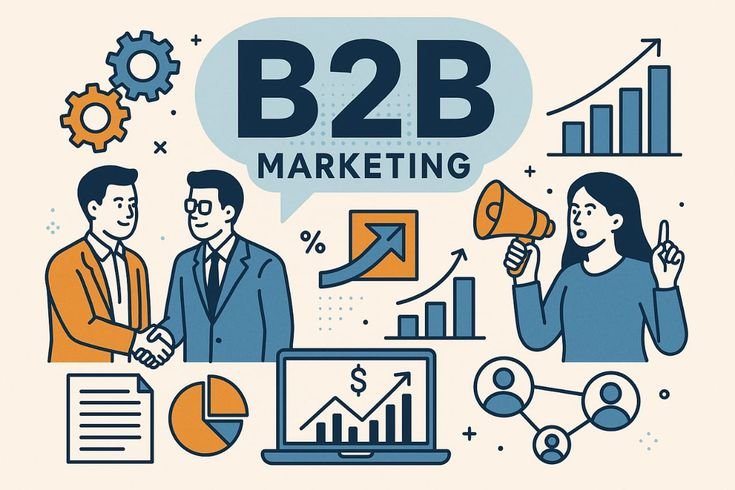
B2B PPC matters because it gives businesses a controlled way to buy relevant traffic and turn market demand into measurable conversions, qualified leads, and later-stage pipeline contribution.
- What Is B2B PPC and How Does Pay Per Click Advertising Work?
- Why Should B2B Companies Invest in Pay Per Click Advertising?
- How Do Search Ads and Google Ads Fit Into a B2B PPC Strategy?
- What Do Display Ads Actually Do in B2B PPC?
- Which Paid Social Platforms Work Best for B2B PPC?
- How Do You Find and Target the Right B2B PPC Audience?
- How Should B2B PPC Campaigns Support the Full Sales Funnel?
- What Are the Core Elements of a Successful B2B PPC Strategy?
- How Do You Write B2B PPC Ads That Attract the Right Leads?
- What Makes a B2B PPC Landing Page Convert?
- How Do You Track B2B PPC Performance and Attribution Correctly?
- How Do Search Volume and Negative Keywords Improve B2B PPC Quality?
- How Do You Optimize B2B PPC Campaigns Over Time?
- What Do Current B2B PPC Benchmarks Say About Costs and Performance?
- Which B2B PPC Metrics Actually Matter Most?
- What Should Happen After the Click to Turn B2B PPC Leads Into Revenue?
- How Should Sales Teams Support B2B PPC Results?
- How Does B2B PPC Support Account-Based Marketing?
- How Is B2B Pay Per Click Different From B2C PPC?
- How Should You Measure Success in B2B PPC Campaign Management?
- What Does a B2B Pay Per Click Agency Actually Do?
- What Is a B2B PPC Agency?
- How Much Do B2B Pay Per Click Services Cost?
- What Are the Benefits of Hiring a B2B Pay Per Click Advertising Company?
- What Is Cost Per Click in B2B PPC?
- What Is Cost Per Lead or Cost Per Conversion in B2B PPC?
- What Does ROI Mean in B2B Pay Per Click?
- What Is ROAS in B2B Pay Per Click Advertising?
- What Is Cost Per Qualified Lead in B2B PPC?
- What Is Cost Per Opportunity in B2B PPC?
- What Is Customer Acquisition Cost in B2B PPC?
- Why Do B2B Companies Use PPC Agencies Instead of Managing Campaigns In-House?
- What Creative Specs and Ad Format Details Matter in PPC Campaign Setup?
- What Should You Do Next If You Want Better B2B PPC Results?
- Why Should My B2B Company Invest in PPC Advertising?
- How Does B2B PPC Help Generate Better Leads?
- Why Is Google Ads So Valuable for B2B PPC?
- How Does B2B PPC Support Other Digital Marketing Channels?
- Which Metrics Should I Track in B2B PPC Campaigns?
- What Should a B2B Pay Per Click Agency Deliver?
- What Does B2B PPC Cost in 2025 and 2026?
- Is PPC Better Than SEO for B2B Lead Generation?
- What Is a Good Cost Per Lead for B2B PPC?
- Why Do So Many B2B PPC Campaigns Fail to Turn a Profit?
- Does a B2B PPC Agency Handle Lead Follow-Up?
- How Do You Measure ROI in B2B PPC?
- Which Paid Ad Platforms Should B2B Companies Prioritize?
At its core, pay-per-click is a form of digital advertising where advertisers pay when someone clicks an advert. The actual cost depends on keywords, competitiveness, bidding, and platform logic inside an auction-based environment. In B2B, that structure matters because even a small change in cost-per-click can alter whether the campaign creates profitable movement or just expensive noise.
What makes B2B different is intent timing. A buyer already searching for a solution behaves differently from a casual browser. That is why search ads, display ads, and paid social ads are not interchangeable tactics; they are different ways to capture or shape demand across the buying cycle. When the system is run well, the outcome is not merely website traffic but a practical path from target audience to commercial signal.
What Is B2B PPC and How Does Pay Per Click Advertising Work?
B2B PPC works by placing paid messages in front of a defined target audience on search engines or other platforms, then charging only when the user takes the desired action.

A team chooses the campaign type, sets a budget, defines keywords or audience logic, and enters the platform’s bidding system. The platform then evaluates relevance, expected performance, and page quality before deciding which ad appears and at what cost. That can happen on online advertising networks, in search placements, or within professional and social feeds.
In B2B, the model becomes more useful when the click has business meaning. A company might direct traffic to a demo page, an eBook, or a consultation request. The mechanics are straightforward, but the outcome depends on whether the company can turn raw contacts into real conversions rather than counting any click as success.
Why Should B2B Companies Invest in Pay Per Click Advertising?
B2B companies should invest in pay per click advertising because the channel can create qualified demand across a long, multi-person buying process while remaining measurable, flexible, and fast to adjust.
The source material notes that a typical B2B sale cycle can involve 8 touchpoints and 3+ people on the buyer’s side, with deals taking 3 months, 6 months, or even 12 months. That makes PPC valuable not just for the first touchpoint, but for maintaining additional touchpoints across TOFU, MOFU, and BOFU. The channel can support brand awareness, early traffic, mid-funnel consideration, and final sales decisions without waiting on slower channels alone.
The control is practical. Teams can change daily budgets, revise a full campaign budget, update creatives, replace adverts, or extend campaign activity quickly. PPC also supports A/B testing, detailed analytics, and clear views into ROI, ROAS, and CPA. For firms managing industries, different job titles, specific locations, or niche decision-makers, that level of control matters more than broad visibility.
There is also a defensive reason to invest. PPC can support brand search, help occupy important search results, and reduce leakage to competitor ads. In real accounts, that sort of protection is often underrated until another bidder starts taking clicks that should have belonged to the better-known brand.
How Do Search Ads and Google Ads Fit Into a B2B PPC Strategy?
Search ads and Google Ads fit into a B2B PPC strategy by capturing buyers when they actively express commercial intent through a query.
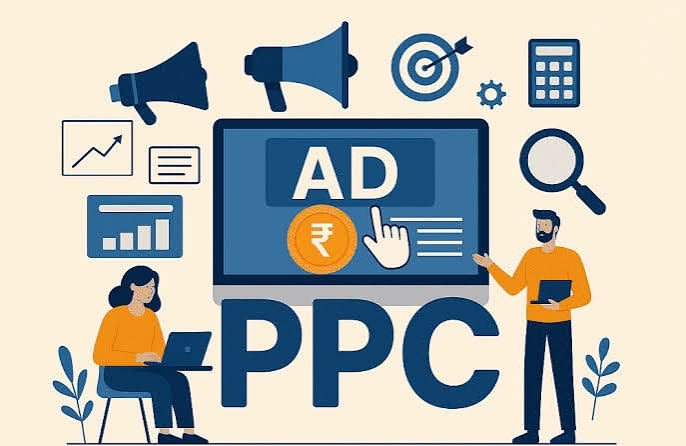
On a Search Engine Results Page or SERP, these placements show up as sponsored entries with a headline, short description, and destination page. When someone types a need into Google, the system compares bid amount, relevance, expected performance, and page quality before deciding which paid search ads or search engine ads to show. For B2B teams, that moment often matters more than almost any other digital touch because the search itself reveals immediate problem awareness.
Google Ads remains central because of its extensive reach, advanced analytics, and ability to place offers in front of buyers already evaluating solutions. One benchmark in the source material references a rough $2 return for every $1 spent, though no serious operator should assume that outcome appears automatically. The difference comes from fit: matching search terms, offer quality, and page relevance to the real buying need.
Search is also where loose structure gets punished quickly. Broad terms can create a large audience but also noise in the numbers, especially if the account reaches people outside the ideal customer profile. That is why good B2B teams use search not just to buy visits, but to pull in the highest-likelihood buyers first.
What Do Display Ads Actually Do in B2B PPC?
Display ads help B2B teams build memory, reinforce visibility, and re-engage people who are not ready to convert on the first visit.
Unlike search, display ads appear while people are scrolling through a website, within apps, or across other pages that offer advertising space. The formats can include banners, videos, graphics, images, and other interactive media. In B2B, these units usually work best when the objective is recall, category presence, or follow-up exposure rather than immediate form fills.
The strategic value comes from targeting options. A company can use contextual targeting to align with relevant content, or use audience targeting based on demographics, firmographics, interests, online behavior, and previous interactions. That makes display useful for long consideration cycles, where buyers often need repeated contact before they act.
A practical mistake I see often is forcing display to behave like intent-driven search. It is usually better at supporting brand awareness, creating broader exposure, and opening remarketing opportunities than at closing demand cold.
Which Paid Social Platforms Work Best for B2B PPC?
The best paid social platforms for B2B PPC depend on the audience, but LinkedIn is usually the strongest for professional targeting while other networks support reach, audience engagement, and retargeting.
LinkedIn sponsored content works because the environment is a professional networking app and users are already in a working mindset. The platform supports filters such as job titles, seniority, company size, and other personal attributes, which makes it useful for campaigns aimed at specific business roles. The source material also notes that 79 percent of B2B marketers find LinkedIn effective for lead generation, even though it often carries a higher cost per click.
Other social channels still have value. Facebook offers enormous scale with over 2.23 billion monthly users, and older data in the source material positions Twitter as a large engaged audience with options like follower-based targeting, keyword targeting, and interest targeting. A B2B team may also use Instagram or TikTok when the goal is upper-funnel recall rather than immediate form completion. That does not make those channels equal substitutes for LinkedIn; it makes them situational tools.
In practice, platform choice follows the buyer, not the trend. A software brand with long education cycles may benefit from social visibility and retargeting, while a specialist industrial firm may find that social is useful mainly as a supporting layer around search.
How Do You Find and Target the Right B2B PPC Audience?
You find the right B2B PPC audience by translating real commercial context into targeting rules that reflect who buys, why they buy, and what problem they need solved now.
The work starts with research, but not the superficial kind. Strong B2B targeting identifies the right people in the right companies, then narrows by industry, revenue, and company size. If you understand the corporate pain points, the buyer’s stalled process, and even the quieter personal pain points behind the search, your keywords, page offers, and calls-to-action become sharper immediately.
A practical framing that still works is to ask: who are they, where are they, and what do they do. That can include age, gender, education, geography, and other surface filters only when those filters truly affect the sale. The more important details are usually professional: job experience, titles, skills, role seniority, buying authority, and the kind of company information that separates a plausible prospect from a random click.
Timing matters too. A visitor who already viewed product pages may belong in remarketing or retargeting, while a first-time visitor from a broad category term may need education first. Good targeting is not just about exclusion; it is about message sequencing before the sales conversation even starts.
How Should B2B PPC Campaigns Support the Full Sales Funnel?
B2B PPC campaigns should support the full sales funnel by matching the offer, message, and CTA to the buyer’s stage instead of sending every click to the same conversion event.
That matters because B2B transactions are rarely linear. Someone in early research needs different content than a buyer already comparing vendors. When teams ignore that, they end up blaming the channel for results that were actually caused by weak stage alignment.
A useful framework is to build campaign intent around funnel stage rather than media type.
| Funnel Stage | Buyer Intent | Campaign Goal | Typical Offer | CTA Style |
| TOFU | category discovery, problem awareness | create new demand and attract traffic | guides, white papers, checklists, educational pages | learn, download, explore |
| MOFU | evaluation, comparison, trust-building | differentiate the solution | webinars, case studies, comparisons | compare, review, see how |
| BOFU | shortlisting, approval, final action | push decision and sales contact | trial, pricing, proposal, request a demo | book, start, talk |
The commercial point is simple: top-of-funnel clicks should not be judged by bottom-funnel expectations. A campaign works better when the persona, the value propositions, and the next step all align with where the buyer actually is.
What Are the Core Elements of a Successful B2B PPC Strategy?
A successful B2B PPC strategy is built on commercial clarity, disciplined account structure, and a direct path from traffic to qualified opportunity.
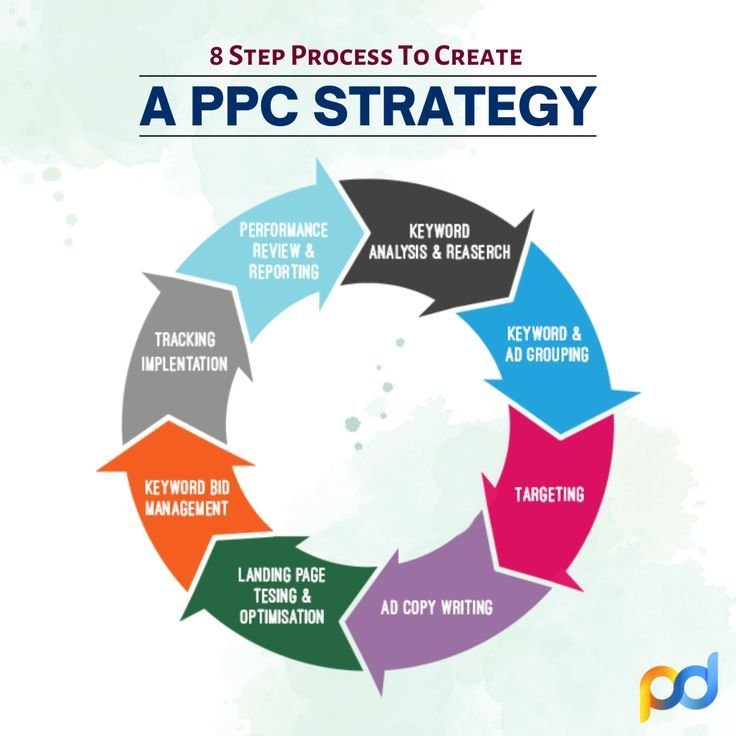
The foundation is not cleverness. It is keyword research, competitor analysis, a usable ideal customer profile, and enough honesty to know which offers matter. Strong teams rely on precise targeting, intent-based keywords, and clearly segmented account design rather than hoping broad traffic will somehow sort itself out later.
Execution matters just as much as planning. A team needs clear objectives, sensible budget control, relevant pages, and an operating model that can continuously optimize. Whether the work is done in-house or through an agency, the account should reflect buying behavior, not just channel habits.
In my experience, strong PPC strategy usually looks less glamorous than people expect. It is mostly disciplined setup, clean segmentation, and repeated improvement built on real sales feedback.
How Do You Write B2B PPC Ads That Attract the Right Leads?
B2B PPC ads attract the right leads when the copy filters for fit as much as it persuades for action.
The strongest ad copy does not try to appeal to everyone. Good B2B ad copy optimization uses buyer language, reflects intent, and makes the offer feel specific enough that the wrong click is less likely. That often means naming the use case, the audience, or the expected outcome clearly rather than hiding behind soft, generic language.
This matters even more on social media, where ads can trigger comments, direct messages, or lightweight engagement before a lead ever submits a form. Teams need to respond like real operators, not like scripts. Buyers notice whether a brand sounds human, whether the answer is useful, and whether the campaign matches the business tone that follows later on the page.
A quiet truth here is that good PPC copy is selective. If the offer is built for enterprise teams, the ad should make that clear. Filtering is part of performance, not a loss of reach.
What Makes a B2B PPC Landing Page Convert?
A B2B PPC landing page converts when the page reduces uncertainty, preserves message continuity, and makes the next step feel obvious.
A well-built page should mirror the promise made in the ad. That means relevant messaging, a strong hero section, and a clear call-to-action that does not force visitors to guess what happens next. The page should also work cleanly on mobile and load fast enough that the paid click is not wasted before the visitor even reads the value proposition.
The most reliable conversion elements tend to be straightforward:
- Streamlined design that keeps attention on one outcome
- Persuasive copy tied to a real use case
- Trust signals that reduce risk and build confidence
- Concise form fields that ask only what the process actually needs
- Page load speed and mobile usability that protect the click
- A/B testing on headings, layouts, and form friction
One fact from the source material stands out: cutting a form from 7 fields to 3 fields can improve conversion rates by 20-30%. That does not make short forms universally correct, but it does show how often B2B teams ask for too much before trust has been earned.
How Do You Track B2B PPC Performance and Attribution Correctly?
B2B PPC performance is tracked correctly when the measurement system connects ad spend to real business outcomes across the full path, not just the final click.

That starts with reliable conversion tracking, consistent use of UTM parameters, sensible tracking pixels, and a clear definition of what counts as a meaningful action. Tools like Google Analytics 4 or GA4 help with visibility, but the tool does not solve the model on its own. A dashboard can look precise while still giving the business the wrong story.
For B2B, the bigger issue is often attribution depth. A click may start the journey, but multiple visits, multiple stakeholders, and multiple touchpoints usually shape the deal. That is where multi-touch attribution becomes more useful than simple last-click reporting, even if the model is imperfect.
The practical test is whether the team can explain how a click becomes a revenue signal. If the answer ends at the form fill, the tracking is incomplete.
How Do Search Volume and Negative Keywords Improve B2B PPC Quality?
Search volume and negative keywords improve B2B PPC quality by helping teams pursue meaningful demand while excluding traffic that does not belong.
A keyword with strong search volume can indicate useful market activity, but scale by itself is not a strategy. B2B programs need the right combination of demand level and buyer fit. Otherwise, the account grows by attracting visitors who were never going to convert.
That is where negative keywords do critical work. If a company makes physical pipeline products, it should exclude searches tied to a digital sales pipeline or unrelated pipeline manufacturing meanings. Those exclusions protect budget, improve lead quality, and often clarify reporting surprisingly fast.
In real account cleanup, negative keywords are often one of the fastest ways to improve performance without increasing spend.
How Do You Optimize B2B PPC Campaigns Over Time?
B2B PPC campaigns are optimized over time through a repeated cycle of review, diagnosis, testing, and refinement rather than one-time setup changes.
Optimization works best when it is procedural. Teams that improve steadily usually make controlled adjustments in bids, audiences, page friction, and offer fit instead of rewriting the entire account every few weeks.
A practical sequence looks like this:
- Review metrics for cost, quality, conversion behavior, and downstream movement.
- Diagnose patterns in queries, segments, pages, and offer fit.
- Test changes through small updates such as creative variants, bid shifts, or page edits.
- Refine campaigns by keeping wins, removing waste, and repeating the cycle.
The deeper point is that optimization should be tied to outcomes that matter. A campaign can look “efficient” on surface cost and still underperform on cost per SQL, demo conversion rates, or broader pipeline contribution. Good operators optimize for business value, not pretty dashboards.
What Do Current B2B PPC Benchmarks Say About Costs and Performance?
Current B2B PPC benchmarks show that costs are rising, click-through behavior is tightening, and platform mix has become more important than many teams assume.
The source material provides several useful figures. Average Google Ads CPC reached $5.26 in 2025, with average click costs up 12.88% year over year and 87% of industries seeing increases. In B2B specifically, non-branded CPCs rose from $4.13 in Aug 2024 to $5.34 in Jul 2025, while CTRs fell from 5.47% to 4.04%. Those numbers fit what many practitioners already feel: demand is still present, but the environment is less forgiving.
Platform differences also matter.
| Platform / Metric | Benchmark | Why it matters |
| Google Ads | Average CPC around $5.26 | Best for active search intent |
| LinkedIn Ads | 14-18% MQL-to-SQL conversion range | Higher-quality professional targeting |
| Microsoft Bing Ads | Reported 253% ROI benchmark | Can be efficient in the right market |
| Meta | Smaller suggested allocation | Useful for awareness and retargeting |
| Suggested split | Google 35-45%, LinkedIn 25-35%, Bing 15-20%, Meta 5-10% | Practical starting allocation |
Category variation is just as important. One cited benchmark put technology advertisers near $133.52 average CPA, while Attorneys & Legal Services reached $131.63 average CPL, Furniture hit $121.51, and Business Services came in at $103.54. So the real lesson is not to chase universal numbers; it is to benchmark against your deal size, your market, and your actual sales model.
Which B2B PPC Metrics Actually Matter Most?
The B2B PPC metrics that matter most are the ones tied to qualified progression, especially cost per qualified lead, cost per opportunity, and downstream commercial impact.
This is where many programs go wrong. Teams often celebrate a low cost per lead without asking whether the leads were usable. One example in the source material shows a $2.50 lead from Facebook that later translated into an effective cost per qualified lead of $87. That is not a small reporting adjustment; it is a different view of the business.
The same logic applies deeper in the funnel. A $150 MQL converting at 20% can outperform a $3 raw lead converting at 0.5%, because the cheaper lead may never become anything useful. Likewise, a $180 lead that becomes an opportunity 25% of the time can beat a $60 lead converting at 3% if the result is better-quality pipeline at lower effective cost.
If I had to reduce the metric hierarchy to one rule, it would be this: cheap volume is not the goal. Usable movement is.
What Should Happen After the Click to Turn B2B PPC Leads Into Revenue?
After the click, B2B PPC leads should move into a fast, structured follow-up process that connects the ad spend to actual human response and measurable sales motion.
The form is not the finish line. It is the handoff. That handoff usually needs lead scoring, routing inside the CRM, and clear ownership for what happens next. If the account uses email nurturing or workflows, those sequences should reflect intent rather than spray the same generic follow-up at every new contact.
This is where a lot of otherwise competent programs underperform. The media side may be working, but the post-click layer creates delay, confusion, or wasted effort. A visitor who asks for pricing, for example, should not be treated like a cold top-of-funnel subscriber. The tighter the handoff, the more the channel appears to “improve” without any change to CPC at all.
From experience, this is the least glamorous part of PPC and one of the most important. If the process after the click is weak, the account cannot show its real potential.
How Should Sales Teams Support B2B PPC Results?
Sales teams should support B2B PPC results by responding faster, agreeing on lead quality, and feeding outcome data back into campaign decisions.
The response-speed data in the source material is blunt. One benchmark cited an average of 42 hours, another cited 47 hours, and only 23% of companies responded within 5 minutes. The same material also noted that leads contacted in under 5 minutes reached about 32% close rate, versus 12% after 24+ hours, while as few as 27% of leads may get contacted at all. That is not a media problem; it is an operational one.
A practical support model looks like this:
- Define lead quality so marketing and sales use the same standard.
- Respond quickly through routing, scheduling, and clear ownership.
- Track outcomes like accepted leads, meetings, and opportunities.
- Send feedback back to the media team so spend and targeting improve.
There is also a financial reason to care. The source material gives a stark example: if a company spends $100,000 and leaves 70% of leads untouched, around $70,000 of value may be wasted. In B2B, the channel and the sales process rise or fall together.
How Does B2B PPC Support Account-Based Marketing?
B2B PPC supports account-based marketing by giving teams a paid way to stay visible inside selected accounts across the buying process.
In an ABM program, the goal is not maximum reach. The goal is controlled relevance around high-value accounts. Paid media helps by placing tailored messages in front of the right roles at the right companies using lists, matched audiences, and platform-level targeting. The source material points to tools such as custom audiences, domain uploads, job titles, and email addresses drawn from CRM exports or audience files.
The paid layer is especially useful when sales already knows the accounts worth pursuing. PPC can reinforce outbound work, keep the brand present during quiet periods, and circulate proof assets or thought leadership content across multiple stakeholders. In well-run programs, paid media does not replace account strategy; it amplifies it.
The caveat is coordination. PPC supports ABM only when the audience list, the message, and the follow-up are aligned. If those parts operate separately, the account gets impressions without influence.
How Is B2B Pay Per Click Different From B2C PPC?
B2B pay per click is different from B2C PPC because B2B programs usually target smaller audiences, longer decisions, more stakeholders, and higher-value outcomes.
The messaging reflects that difference first. B2B buyers often need technical details, implementation clarity, ROI logic, and proof tied to business risk. Consumer campaigns can often rely more on speed, convenience, price, or emotional triggers. That difference shows up in the ads, but it becomes even clearer on the page experience and in the qualification steps after the click.
The economics are different too. A B2B program may accept a much higher CPL if the sales value supports it. That is why quality vs quantity matters so much. Consumer campaigns may win through scale. B2B campaigns usually win through fit, progression, and the ability to influence a buying committee over time.
In practical terms, B2C often optimizes for immediate transaction density. B2B usually optimizes for qualified movement toward revenue.
How Should You Measure Success in B2B PPC Campaign Management?
Success in B2B PPC campaign management should be measured against business movement, not just media efficiency.
Basic indicators such as impressions, site visits, and click through rate still matter, but they are only useful when connected to conversion quality. A top-of-funnel awareness campaign and a bottom-funnel pricing campaign should not be evaluated by the same standard, because they were built for different jobs.
The source material also notes that some offers naturally cost more than others. A broad educational download may show a lower cost than a late-stage demo request, and that difference should shape expectations rather than trigger panic. In one cited example, the average B2B demo request cost sat around $800, which is a useful reminder that bottom-funnel actions are more expensive because the intent is stronger.
The practical approach is layered measurement: first volume, then quality, then revenue contribution. That keeps the reporting honest and keeps the account tied to the actual business objective.
What Does a B2B Pay Per Click Agency Actually Do?
A B2B pay per click agency builds and manages the system that connects paid traffic to qualified commercial outcomes.
In practice, that means more than launching ads. A capable partner handles keyword research, audience research, campaign strategy, ad copywriting, bid management, budget management, remarketing, reporting, and the tracking structure around them. The stronger firms also connect page logic, qualification, and sales expectations instead of pretending the media layer operates alone.
The value of an agency is usually not button-pushing. It is the ability to structure the account, maintain testing discipline, interpret results properly, and adjust the system before small inefficiencies become expensive habits.
What Is a B2B PPC Agency?
A B2B PPC agency is a company that specializes in managing and optimizing paid campaigns aimed at business buyers instead of consumer audiences.
That specialization usually includes experience with Google Ads, LinkedIn Ads, Bing Ads, complex campaign structure, qualification logic, and longer sales cycles. The real expertise is not platform access. It is knowing how to align the platforms with business reality.
A good agency also understands that more leads are not automatically better leads. In B2B, relevance beats raw volume.
How Much Do B2B Pay Per Click Services Cost?
B2B pay per click services cost anywhere from modest management retainers to major monthly investments depending on complexity, spend, and strategic scope.
The source material offers a few useful benchmarks. Some organizations spend around 9,000-10,000 per month on ad media, while agency management fees can range from $1,000 to $10,000+ monthly depending on the support model. Another cited source referenced a very broad total spend range from $300 to $100 million, with management often taking about 12%-30% of spend. Those numbers are directional, not universal.
In real buying decisions, cost shifts most when the business needs more than platform management alone. Multi-platform strategy, page work, deeper reporting, sales coordination, and creative support all change the operating requirement.
What Are the Benefits of Hiring a B2B Pay Per Click Advertising Company?
The benefits of hiring a B2B pay per click advertising company are expertise, speed, external perspective, and the ability to keep campaign systems disciplined.
Experienced operators often spot problems that internal teams have normalized: weak segmentation, loose measurement, poor offer fit, or pages that quietly suppress conversion. They also bring pattern recognition from other accounts, which can reduce trial-and-error and accelerate decision quality.
There is a practical benefit too. Internal teams get pulled into launches, events, reporting cycles, and content demands. A specialist partner can keep testing, reporting, and optimization moving even when the rest of marketing is overloaded. For many B2B companies, that consistency is the actual advantage.
What Is Cost Per Click in B2B PPC?
Cost per click in B2B PPC is the amount an advertiser pays when a user clicks an ad.
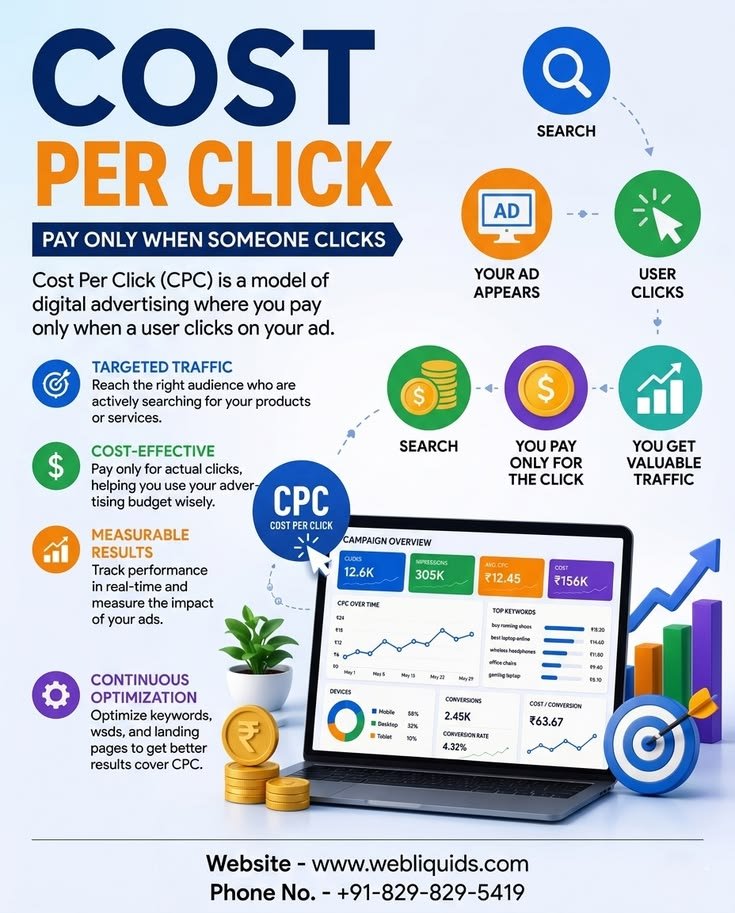
That amount depends on the auction environment, including competition level, maximum bid, keywords, ad quality, and page relevance. A low CPC can be helpful, but only if the traffic still belongs to a plausible buyer.
That is why CPC is useful as a control metric, not as a standalone definition of success.
What Is Cost Per Lead or Cost Per Conversion in B2B PPC?
Cost per lead or cost per conversion is the average amount spent to generate a defined action such as a form fill, sign-up, or inquiry.
The arithmetic is simple: total spend divided by total conversions. The harder part is deciding which actions truly deserve to be counted in a B2B context.
A low CPL is attractive, but it only becomes meaningful when the lead quality is acceptable and the action points toward real sales progress.
What Does ROI Mean in B2B Pay Per Click?
Return on investment in B2B pay per click means the financial return created relative to the total cost of the campaign.
A campaign can produce clicks or even leads and still have weak ROI if those leads do not become pipeline or revenue. The source material uses the standard financial meaning: compare profit against cost and express the result as a percentage.
For B2B teams, the useful interpretation is always post-click. The real question is not whether the ad got attention. It is whether the spend created business value.
What Is ROAS in B2B Pay Per Click Advertising?
Return on ad spend measures how much revenue is generated for each unit of advertising cost.
ROAS is useful because it keeps the conversation tied to monetary output, but it works best when the business can see revenue clearly within the reporting window. In long-cycle B2B categories, early pipeline signals sometimes need to stand in for closed revenue.
It is still a valuable lens, just not the only one that matters.
What Is Cost Per Qualified Lead in B2B PPC?
Cost per qualified lead is the average spend required to generate a lead that meets the business standard for relevance and potential value.
That definition matters because not all leads belong in the same bucket. A lead only becomes useful when it satisfies agreed standards such as role fit, company fit, and commercial plausibility.
In mature B2B programs, CPQL is often more informative than raw CPL because it reflects whether the campaign is actually producing demand that sales can work.
What Is Cost Per Opportunity in B2B PPC?
Cost per opportunity is the average spend required to produce a sales opportunity rather than just a lead.
That moves the measurement point deeper into the funnel, where weak-fit leads are less able to hide inside headline volume. In B2B, that can make CPO a much more honest metric than CPL.
Teams that want cleaner decision-making usually need both numbers, but CPO often tells the more useful business story.
What Is Customer Acquisition Cost in B2B PPC?
Customer acquisition cost is the average total cost required to win a new customer.
The metric usually includes both media and broader sales or marketing effort, which is why it matters so much for long-cycle B2B environments. CAC forces the team to stop treating advertising in isolation.
A PPC program can look efficient at the lead level and still create poor CAC if the downstream process is expensive or ineffective.
Why Do B2B Companies Use PPC Agencies Instead of Managing Campaigns In-House?
B2B companies use PPC agencies instead of managing campaigns in-house when they need sharper expertise, steadier execution, and a more disciplined optimization process than internal capacity allows.
The value is not that an agency is automatically better. The value is that a good external team brings specialized knowledge, cross-account pattern recognition, and enough operating focus to keep the system improving. That is especially useful when the internal team is stretched thin or when paid media has become important enough that “good enough” management is no longer good enough.
In-house ownership can still work extremely well. The real question is whether the company has the time, skill, and process discipline to run the channel properly.
What Creative Specs and Ad Format Details Matter in PPC Campaign Setup?
Creative specs and ad format details matter in PPC campaign setup because technical mismatches can weaken delivery before messaging quality even gets a chance to perform.
The source material references common advert templates, character limits, recommended image sizes, and a maximum size allowed of 150kb or less for certain assets, along with accepted formats like JPEG, SWF, PNG, and GIF. Those details are not strategic by themselves, but they protect execution quality.
Teams often overlook this layer because it feels tactical. In reality, sloppy format handling can quietly damage the user experience and the campaign’s ability to launch cleanly.
What Should You Do Next If You Want Better B2B PPC Results?
If you want better B2B PPC results, the next move is to tighten the whole system around buyer intent, page fit, lead handling, and revenue feedback.
Start by reviewing whether the campaigns are aligned with actual business goals, not just channel habits. Then check whether the landing experience, qualification logic, and sales follow-up match the promise made in the ad. Most underperformance comes from disconnects between those parts rather than from one dramatic mistake.
In practical terms, better results usually come from sharper alignment, not louder media. When the account, the page, and the response process work together, the channel becomes much easier to scale responsibly.
Why Should My B2B Company Invest in PPC Advertising?
A B2B company should invest in PPC advertising because PPC creates a direct path to buyers who are already looking for relevant solutions.
That makes the channel unusually useful for firms that need measurable demand rather than vague exposure. The benefit is not just reach; it is timing.
When a solution is bought through research and evaluation, being visible at the moment of intent matters a great deal.
How Does B2B PPC Help Generate Better Leads?
B2B PPC helps generate better leads by placing targeted offers in front of buyers whose behavior already suggests commercial intent.
That can happen on search pages, high-fit landing experiences, or through retargeting that reconnects earlier interest to a stronger action. The lead quality improves when the targeting, message, and next step are all specific.
In other words, better leads come from better fit, not merely more traffic.
Why Is Google Ads So Valuable for B2B PPC?
Google Ads is valuable for B2B PPC because it captures demand at the moment buyers actively search for a solution.
The platform combines broad reach with targeting control and strong analytics, which makes it especially useful for high-intent acquisition. That does not mean every search campaign wins automatically, but it does mean the channel is structurally well suited to B2B demand capture.
In practice, Google Ads is often the backbone of serious B2B PPC programs for exactly that reason.
How Does B2B PPC Support Other Digital Marketing Channels?
B2B PPC supports other digital marketing channels by amplifying visibility, reinforcing messaging, and accelerating demand capture when organic or lifecycle channels move more slowly.
Paid search can surface demand quickly, paid social can reinforce awareness, and remarketing can reconnect prior visitors to later-stage actions. That makes PPC a useful complement rather than a silo.
The best programs do not ask PPC to replace everything else. They use it to strengthen the whole system.
Which Metrics Should I Track in B2B PPC Campaigns?
The metrics to track in B2B PPC campaigns are the ones that connect media activity to qualified business movement.
That usually starts with click-through rate, conversion rate, and cost per conversion, then expands into qualified lead rate, opportunity creation, and contribution to revenue. The right stack depends on the business model, but the principle stays the same.
Track what shows whether the campaign is producing useful demand, not just visible activity.
What Should a B2B Pay Per Click Agency Deliver?
A B2B pay per click agency should deliver campaign structure, targeting discipline, reporting clarity, and measurable movement toward qualified commercial outcomes.
That includes research, buildout, ad management, tracking, optimization, and a coherent explanation of what the data means. A good agency should also help the client distinguish between cheap activity and useful demand.
The right deliverable is not just traffic. It is a working acquisition system.
What Does B2B PPC Cost in 2025 and 2026?
B2B PPC in 2025 and 2026 costs more than many teams expect, with platform CPCs, CPLs, and management fees all reflecting a more competitive environment.
The source material points to average Google Ads CPC near $5.26, average lead costs around $70.11, and certain B2B or technology contexts reaching around $133.52 in acquisition cost. It also references monthly media budgets around 9,000-10,000 and management costs from $1,000 to $10,000+ depending on scope.
The exact cost depends on the market, but the general direction is clear: serious B2B PPC requires enough budget to produce usable data.
Is PPC Better Than SEO for B2B Lead Generation?
PPC is not automatically better than SEO for B2B lead generation, but PPC is faster, more controllable, and better at capturing immediate intent.
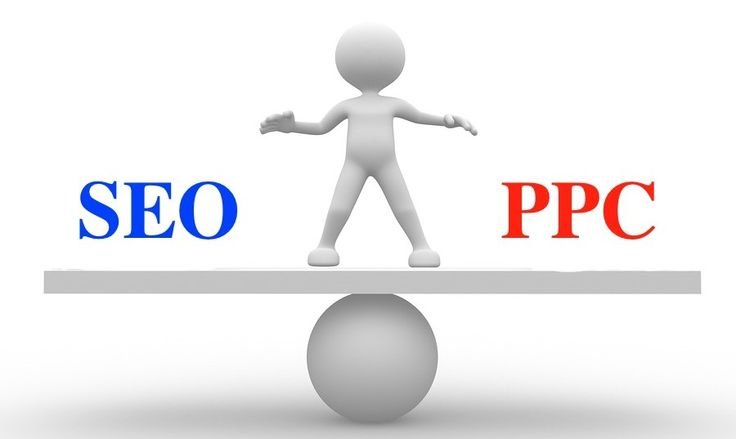
SEO builds compounding visibility over time, while PPC lets a team turn demand capture on quickly and adjust targeting or offers with precision. In many B2B environments, the strongest programs use both rather than forcing a false choice.
The practical difference is timing. PPC buys speed. SEO builds endurance.
What Is a Good Cost Per Lead for B2B PPC?
A good cost per lead for B2B PPC is the one that fits the deal size, sales model, and downstream conversion quality of the business.
The source material points out that there is no universal “good” CPL, with some B2B SaaS examples around 200-250 and some financial-services examples around 450-500. It also notes that a $300 CPL can be excellent for a $50K deal and unsustainable for a $5K deal.
So the right answer is contextual: a good CPL is one that creates profitable qualified movement, not one that merely looks low.
Why Do So Many B2B PPC Campaigns Fail to Turn a Profit?
Many B2B PPC campaigns fail to turn a profit because they optimize for cheap clicks instead of qualified pipeline.
The source material cites 78.2% of advertisers failing to make Google Ads profitable, and the reasons are familiar: loose lead definitions, poor ad-to-page fit, weak tracking, and slow follow-up. Those failures do not usually happen in isolation. They compound.
In real terms, most unprofitable PPC is not caused by one bad bid. It is caused by a weak system.
Does a B2B PPC Agency Handle Lead Follow-Up?
A traditional B2B PPC agency usually does not handle lead follow-up unless that responsibility is explicitly part of a broader commercial engagement.
The source material makes that distinction clearly: agencies manage ads, pages, and tracking, but they typically do not call, qualify, or book meetings with leads. That creates a critical gap because response speed strongly affects outcome quality.
If the business wants PPC to produce revenue, someone still has to own the human follow-up.
How Do You Measure ROI in B2B PPC?
ROI in B2B PPC is measured by comparing the total cost of the program against the business value created downstream.
That means including ad spend, management cost, and the parts of the process that help convert leads into revenue. In B2B, ROI often becomes clearer when the business can connect closed-won revenue, pipeline, or accepted opportunities back to the paid source.
The key is not to stop the math at the click or even at the form fill.
Which Paid Ad Platforms Should B2B Companies Prioritize?
B2B companies should prioritize paid ad platforms based on buyer intent, audience fit, and the role each channel plays in the revenue system.
For many firms, that means using Google Ads for high-intent search capture, LinkedIn for precise professional targeting, Microsoft Ads or Bing for incremental efficiency, and Meta for supporting awareness and retargeting. The source material also offers a useful starting allocation of Google 35-45%, LinkedIn 25-35%, Bing 15-20%, and Meta 5-10%.
The right mix is never universal. The right mix is the one that matches the buyer’s path.