


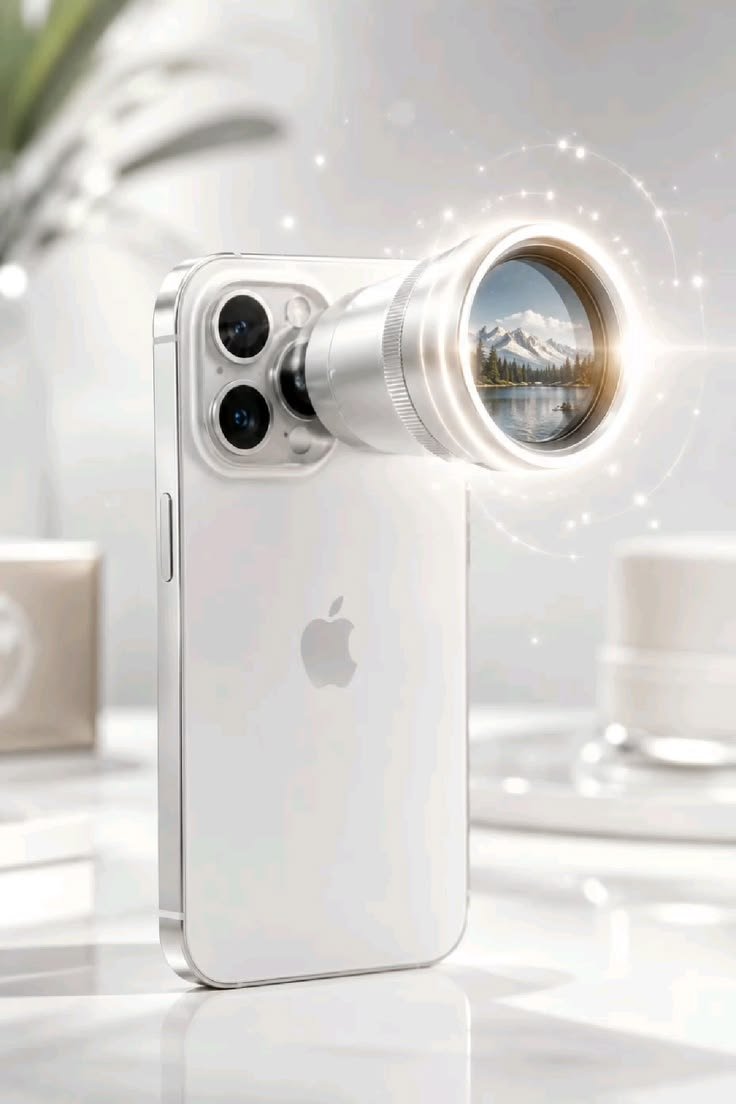
An iPhone telephoto lens attachment helps you photograph distant subjects, create tighter portrait compositions, and capture details without relying entirely on digital zoom. The results depend on optical quality, compatibility, focusing method, and stabilization, making the attachment itself an important part of mobile photography.
- Why Should You Use a Telephoto Lens on an iPhone?
- Does an iPhone Telephoto Lens Actually Improve Image Quality?
- How Do You Mount, Focus, and Stabilize an iPhone Telephoto Lens?
- What Comes in an iPhone Telephoto Lens Kit?
- What Can You Photograph With an iPhone Telephoto Lens?
- Is an iPhone Telephoto Lens Worth Buying?
- Which iPhone Models Are Compatible With the SANDMARC Telephoto 2x Lens?
- How Were the iPhone Lens Tests Conducted?
- How Did the Native iPhone Camera Perform Without an Attachment?
- What Did the Schneider iPro Lens System Offer?
- How Did the iPro Wide-Angle Lens Perform?
- What Were the Results From the iPro Fisheye Lens?
- What Further iPhone Lens Tests Were Planned?
- Which iPhone Telephoto Lens Attachments Are Worth Comparing?
- What Are the Practical Benefits of an iPhone Telephoto Lens?
- Do Telephoto Lens Attachments for iPhone Improve Image Quality?
- Do You Need a Tripod or Manual Focus With an iPhone Telephoto Lens?
- What Comes With an iPhone Telephoto Lens Kit?
- Which iPhones Can Use Telephoto Lens Attachments?
The development of the iPhone Telephoto Lens shows how a relatively small mobile photography accessory can change the way people use a phone camera. Older designs, including the lipstick-sized lens, were made for a thin delicate device and attached through an everyday case or dedicated mounting system. The earlier iPhone 4/4S version offered 8x zoom, while an accessory for the iPhone 5 introduced 12x zoom. These products were an ambitious attempt to deliver Sharper Zoom and Better Portraits without requiring a separate camera.
Modern attachments approach the same objective through improved optical construction. The SANDMARC Telephoto 2x Lens offers 58mm Reach, Cinema-Grade Optics, and a Machined Aluminum Build. It is designed around the 48MP main camera, using the phone’s sensor to capture ultra-sharp images and support improved low-light performance. The result is a more controlled way to photograph the streets of everyday life, a distant inner-city building, or carefully composed landscape compositions.
An external lens does not replace the built-in iPhone lens. Instead, it adds another optical option to an existing camera system. The difference becomes relevant when a photographer wants a captivating portrait, a longer focal perspective, or more flexibility when extending zoom.
Earlier equipment also had practical limitations. A huge zoom lens could be an impractical tool when hand-holding caused camera shake. A collapsible tripod, tiny tripod, and thin hard shell case helped create a more stable orientation, although carrying additional lens adapters was not always convenient. A historical $35 accessory from Photojojo, for example, demonstrated that even a small product needed more than impressive magnification to deliver usable shots.
Why Should You Use a Telephoto Lens on an iPhone?
An iPhone telephoto lens is useful when you want to photograph distant subjects, isolate portraits, or change the composition without moving closer to the subject.
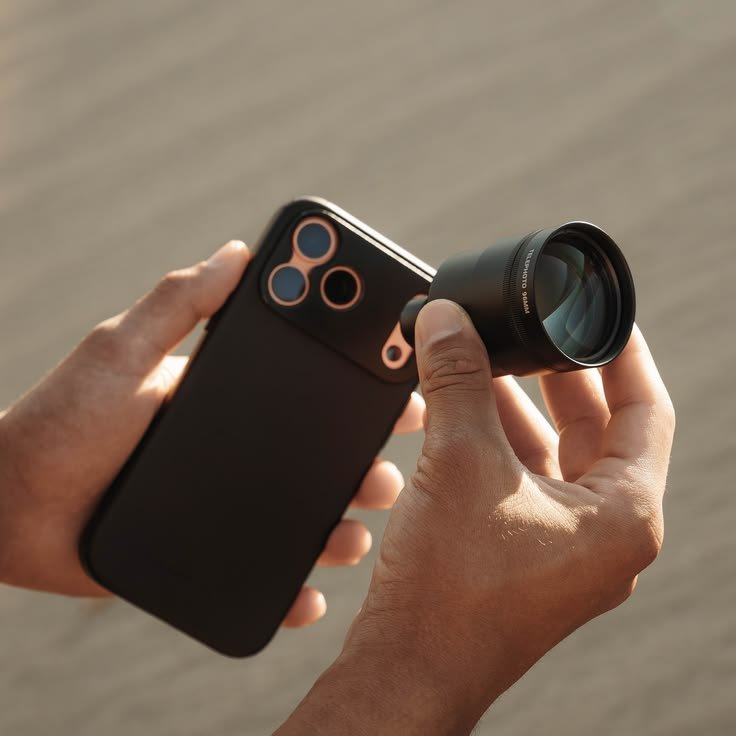
The practical advantage becomes apparent when photographing boats on Lake Tahoe, distant trees, or a summit surrounded by water. A standard camera view may include too much foreground, while a telephoto attachment can concentrate attention on the subject. The 2x teleconverter also provides another way to achieve a decent close-up shot without relying exclusively on a digital crop.
A modern 48MP camera provides considerable flexibility, but the iPhone’s Telephoto capability and the main camera are not identical to an external optical attachment. A photographer comparing a DSLR, a compact interchangeable lens camera, and a smartphone may notice differences in perspective and background rendering. A properly focused attachment can produce a super clean detailed shot and a real non-phone shot look, particularly when the subject is positioned at a suitable great distance.
The SANDMARC Tele 2x is intended for portraits, architecture, and travel scenes where additional reach is useful. Its zooming capabilities can help capture distant details for Instagram and other forms of social media photo sharing network publishing. However, a fun toy and a serious photography tool are not necessarily the same thing. The attachment must deliver useful results beyond the initial excitement of magnification.
Photographers should also consider the lighting and the subject’s position. Infinity-focus shots may be easier to compose than nearby subjects, while a shorter range zooming approach can sometimes produce better results. The goal is not simply to photograph something far away, but to capture it with sufficient detail and a pleasing relationship between the subject and its surroundings.
Does an iPhone Telephoto Lens Actually Improve Image Quality?
An iPhone telephoto lens can improve optical reach and subject framing, but the final image quality depends on focus accuracy, lens construction, and the distance between the camera and subject.
The historical Schneider iPro 2x telephoto tests illustrate why magnification should not be treated as a guarantee of clarity. The attachment delivered great quality when in focus, with a shallow DOF that could help separate subjects. However, edge blur remained a limitation. At some shorter distances, particularly around 6 feet, the loss of sharpness became more noticeable than at 30+ feet.
A photographer examining a 100% crop on a computer may notice problems that are difficult to identify when looking at the complete scene. This is especially relevant when comparing zoomed images or examining fine details. The iPhone Telephoto Zoom experience can be impressive, but an attachment with imperfect optics may introduce distortion, making the photograph look less natural.
| Image-quality factor | Potential benefit | Possible limitation |
| Center sharpness | Subjects clearer when correctly focused | Blurry results from inaccurate focusing |
| Edge performance | More detail across the frame | Edge blur and details lack clarity |
| Depth of field | Reduces DOF and creates subject separation | Shallow DOF makes accurate focusing harder |
| Optical reach | Improved zoom capability | Lack of detail may remain at certain distances |
| Image comparison | Easier to share and inspect results | Excitement faded when flaws become visible |
The older testing compared a 2X Telephoto outside with a 2X Telephoto in studio. The reviewer examined images 100% in parallel, rather than relying only on a general impression. This approach helps explain why a lens can look impressive in one photograph but less convincing in another.
A SANDMARC Tele 2x attachment emphasizes cinema-grade optical construction and the capabilities of the iPhone sensor. Its advertised performance should still be evaluated through actual sample photographs rather than an assumption that every attachment will produce the same result. The most useful test is whether the lens makes the intended subject easier to photograph while maintaining acceptable clarity.
How Do You Mount, Focus, and Stabilize an iPhone Telephoto Lens?
Correct mounting, careful focusing, and a stable camera position are essential for obtaining sharp photographs with an iPhone telephoto attachment.
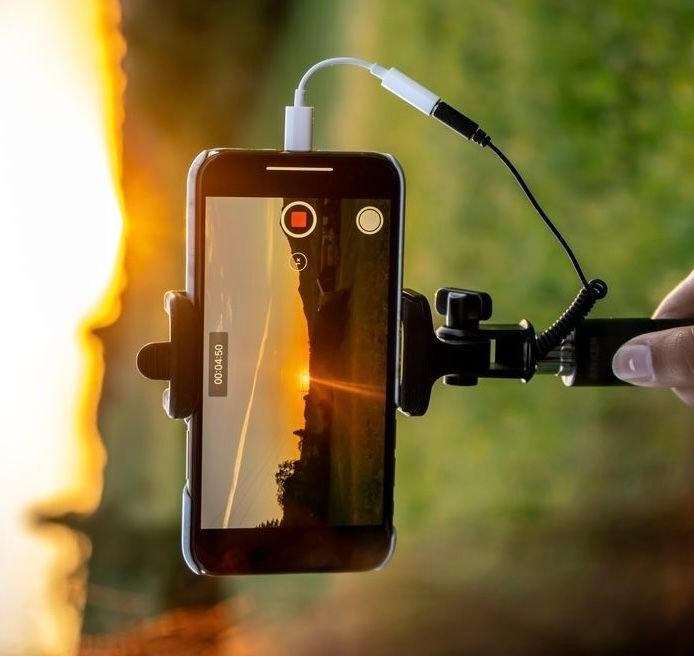
A longer optical system magnifies small movements, so camera shake can become a serious issue. Historical tests used a carbon fiber tripod and a five sec timer to obtain shake-free shots. The same principle applies when photographing with a modern attachment: a stable setup makes it easier to evaluate the lens rather than the movement of the phone.
Follow this practical setup sequence:
- Check the mount: Position the clip-on mount or dedicated case connection so the lens sits securely over the camera. Confirm that the accessory is mounted correctly and does not obstruct the camera’s ports, buttons, or sensors.
- Align the lens: Make sure the attachment maintains the correct stable orientation. A lens that is easily detachable can be convenient, but a loose connection may get loose during use.
- Choose a stable support: A tripod, carbon fiber tripod, or other suitable support can reduce slight shaking. A handle can also make the assembly easier to position.
- Set the focus: Some attachments require you to manually focus. Find a general focal range first, then use the iPhone’s autofocus where the optical design supports it.
- Take the photograph: Avoid unnecessary movement when you press the button. With a high-magnification attachment, hand-holding without shutter speed control can be nearly impossible.
The historical Photojojo design included a tight-fitting shell case and a 12x zoom lens. Its compact size made it convenient to carry and take with you, but focusing remained challenging. A photographer needed to locate the correct focal range before relying on autofocus assistance. The older iPhone 5 also had a 4-inch display measuring 1136 x 640 pixel display, which influenced the viewing experience.
The Photigy testing setup used 645Pro camera application and captured a single TIFF shot. The camera settings included ISO 64 to 80, with the aperture wide open at F2.4. Images were processed through Adobe Photoshop CS6 using an ACR converter, with no sharpening and no noise reduction. These details matter because image processing can change how a lens appears to perform.
Physical handling also deserves attention. A mounted lens can make a smartphone feel awkward, especially when the attachment is long, light, or relatively small. A thin, black case may offer a convenient connection, but photographers should check the mounting design before attempting to exchange lenses. A Schneider iPro lens iPhone case, for example, used a mount socket with a metal-to-plastic connection. The system was designed to keep the lens in position, although the connection still needed careful handling.
What Comes in an iPhone Telephoto Lens Kit?
An iPhone telephoto lens kit can include the optical attachment, a protective case, a carrying pouch, and mounting accessories, depending on the manufacturer and product generation.
The SANDMARC package identifies the following items in the box:
- TELEPHOTO 2X LENS: The primary optical attachment.
- IPHONE CASE: The case designed for mounting and using the lens.
- LENS POUCH: A protective storage accessory.
- clip-on mount: The mounting component used to attach the optical accessory.
Older packages were arranged differently. The historical Photojojo kit included a thin hard shell case and a collapsible tripod. The Photigy iPro system also offered an iPro Lens 2X Tele Lens as part of a wider collection of optical accessories.
When comparing packages, check whether the required case and mounting hardware are included. A lens that requires a separate case can involve additional costs, while a kit containing the necessary accessories may be easier to set up immediately.
What Can You Photograph With an iPhone Telephoto Lens?
An iPhone telephoto lens can be used for portraits, distant scenery, travel footage, architectural details, and cinematic compositions.
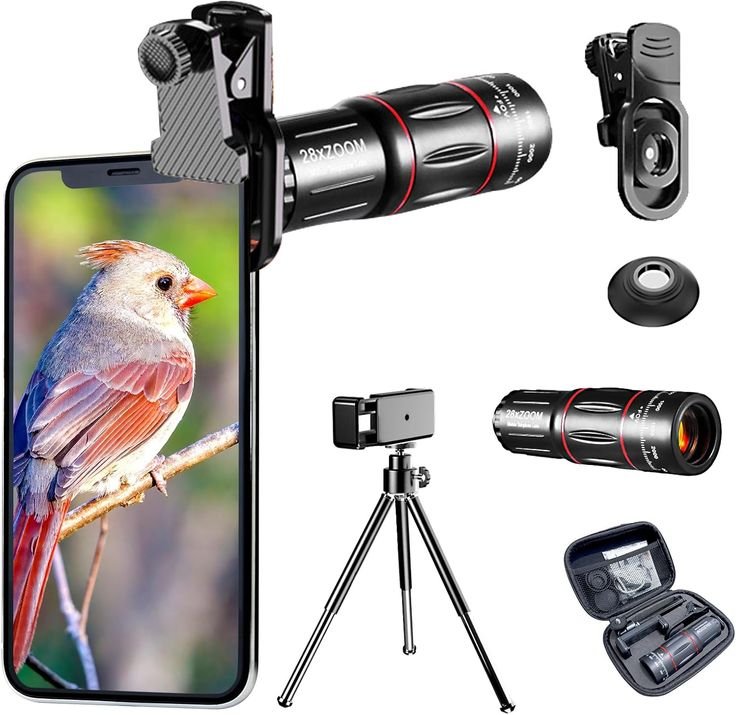
Real-world footage provides a better understanding of how optical attachments behave outside controlled photography sessions. The SANDMARC examples include Kelingking Beach in Indonesia, Singapore, Helsinki in Finland, and Sydney in Australia. These locations demonstrate different opportunities for zooming capabilities, framing, and visual storytelling.
The iPhone 17 Pro footage includes Cinematic 4k recording and ProRes Raw. Another example uses Tele 58mm with a Motion Filter for Singapore in Motion. The Sydney footage features Retro Cinematic 4k, demonstrating a different treatment of the same general optical perspective.
Photography examples also extend beyond video. A Joby Tripod was used for real-life example photographs, including a hand-held portrait and distant landscape subjects. The process involved images being processed and sharpened, with a closer look at the final results. A mountain, house, boats, and water can all provide useful subjects for evaluating the lens.
A useful field comparison is to photograph the same subject twice: once with the native camera and once with the attachment. Keep the position, exposure, and general framing as consistent as possible. This makes it easier to judge whether the new lens provides the intended visual difference.
For a travel creator, the combination of a compact attachment and an iPhone can be more convenient than carrying a separate camera system. However, a New Telephoto 58mm setup should still be evaluated according to the intended subject, shooting distance, and lighting rather than the appearance of promotional footage alone.
Is an iPhone Telephoto Lens Worth Buying?
An iPhone telephoto lens is worth considering when you regularly photograph distant subjects or want more control over portrait framing, but its value depends on optical performance and everyday usability.
The historical iPro system received an overall rating of 3 stars in a separate iPhone telephoto review, while the Photigy comparison highlighted the Schneider iPro 2x telephoto as an option with strong central sharpness. Its shallow DOF and great quality when in focus were attractive features, although edge blur limited the overall result.
A well thought out product package can make a difference because mounting hardware, storage, and a tripod influence the daily experience. A great iPhone case and convenient detachability can make an attachment more practical and portable. On the other hand, a system that is not portable enough or not powerful enough for the intended photographs may disappoint.
| Advantages | Disadvantages |
| Real non-phone shot look | Edge blur can affect image quality |
| Great quality when in focus | Shallow DOF requires careful focusing |
| Portable optical accessories | Some systems are not portable enough |
| A useful must-have iPhone photography accessory for specific users | A cool toy may not provide practical everyday value |
| Dedicated portraits and distant subjects | Not perfect performance across all shooting conditions |
The older iPro 2x telephoto lens was treated as a serious optical accessory rather than simply a novelty. However, it was also considered quite expensive compared with some alternatives. The important question is whether the additional optical reach supports the photographs you actually want to create.
A modern SANDMARC attachment offers a different proposition through its 58mm design, aluminum construction, and compatibility with selected iPhone models. For someone interested in mobile filmmaking or portrait photography, that combination may justify the investment. For casual users, the native camera may already be sufficient.
Which iPhone Models Are Compatible With the SANDMARC Telephoto 2x Lens?
The SANDMARC Telephoto 2x product page lists a broad range of compatible iPhone models, but users should verify the exact case and mounting requirements before purchasing.
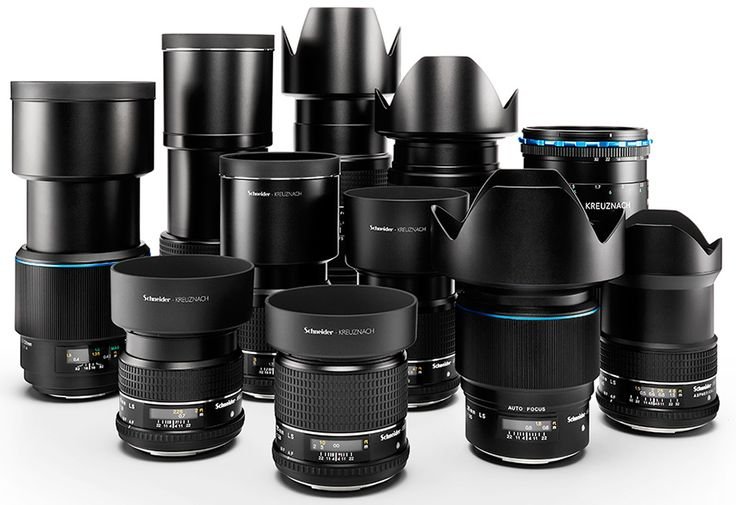
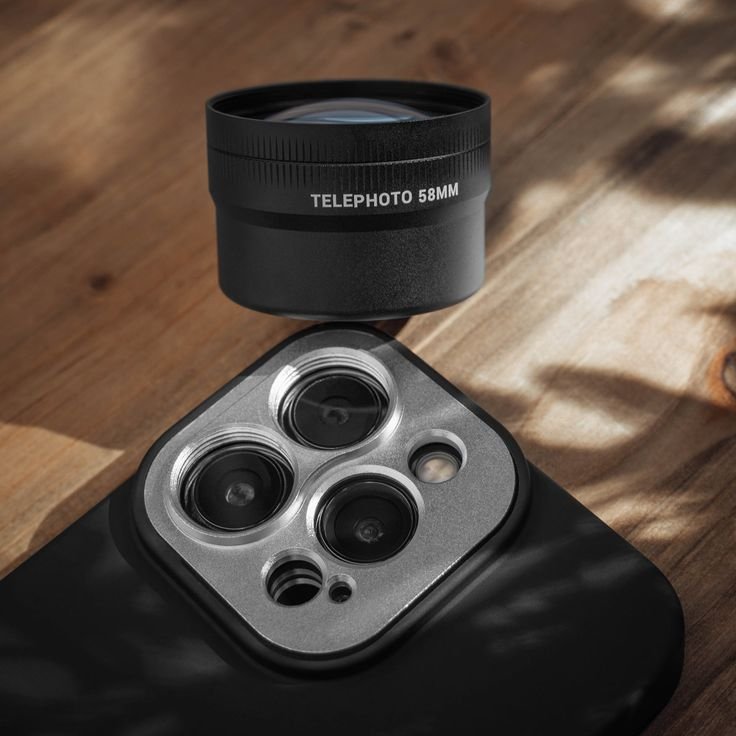
The listed compatible models include newer devices such as iPhone 18 Pro Max, iPhone 18 Pro, iPhone 17 Pro Max, iPhone 17 Pro, iPhone 17, and iPhone Air. The compatibility list also identifies the iPhone Duo and iPhone 17e.
Earlier generations are included as well. These cover the iPhone 16 Pro Max, iPhone 16 Pro, iPhone 16, iPhone 16 Plus, iPhone 16e, iPhone 15 Pro Max, iPhone 15 Pro, iPhone 15, and iPhone 15 Plus.
Other listed devices include:
- iPhone 14 Pro Max, iPhone 14 Pro, iPhone 14, and iPhone 14 Plus.
- iPhone 13 Pro Max, iPhone 13 Pro, iPhone 13, and iPhone 13 mini.
- iPhone 12 Pro Max, iPhone 12 Pro, iPhone 12, and iPhone 12 mini.
- iPhone 11 Pro Max, iPhone 11 Pro, and iPhone 11.
- iPhone XS Max, iPhone XS, iPhone XR, and iPhone X.
- iPhone SE, iPhone 8 Plus / 7 Plus, and iPhone SE/8/7.
A universal attachment is not necessarily equivalent to a manufacturer-specific mounting system. Some alternatives use a universal clip or clip-on connection, while other products require a dedicated case. Buyers considering Samsung or another Android device should check the individual product’s supported camera arrangement rather than assume that iPhone compatibility applies to every smartphone.
How Were the iPhone Lens Tests Conducted?
The Photigy lens comparison used a controlled camera setup to evaluate optical performance across studio and outdoor photography.
The in-studio tests and outside tests were performed using an iPhone 4s mounted on a carbon fiber tripod. The photographer used 645Pro camera application settings and captured iPhone TIFF files as a single TIFF shot. A five sec timer helped produce shake-free shots, reducing the influence of movement during capture.
The testing maintained ISO 64 to ISO 80, with the aperture wide open at F2.4. The resulting photographs were processed using Adobe Photoshop CS6 and an ACR converter. The images were kept as-is, with no sharpening and no noise reduction, to help evaluate the optical characteristics rather than hide imperfections through processing.
The comparison included resize and crop operations, along with examination of the best image quality available from the different attachments. The photographer also considered how the lenses behaved in outside tests, where actual lighting and subject distance could influence the results.
These procedures provided a useful basis for comparing optical accessories. However, the historical results should be understood in the context of the iPhone 4s camera hardware rather than treated as a direct prediction of performance on newer devices.
How Did the Native iPhone Camera Perform Without an Attachment?
The native iPhone 4s camera provided the baseline for evaluating the additional optical accessories in the comparison.
The Native iPhone 4s camera photographs were captured in studio and outside, giving the comparison a reference point before adding any external glass. The photographer examined a 100% center crop to assess the original image detail.
This baseline was important because an external attachment should provide a meaningful improvement or a useful creative effect over the standard camera. Without a native-camera comparison, it would be difficult to determine whether an accessory genuinely changed the photograph or simply introduced another optical characteristic.
What Did the Schneider iPro Lens System Offer?
The Schneider iPro Lens System offered a collection of interchangeable optical accessories, including telephoto, macro, and wide-angle options.
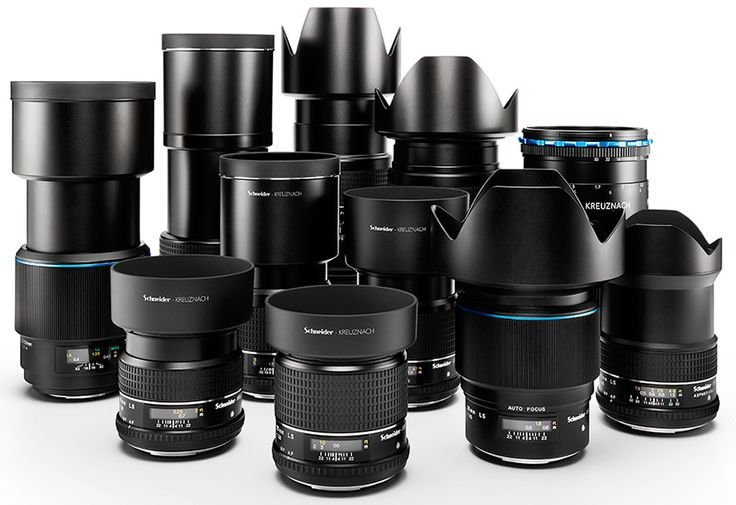
The system used Schneider optics and a Schneider iPro lens iPhone case. Its mounting design incorporated a mount socket with a metal-to-plastic connection. This provided a dedicated attachment point, although the connection needed careful attention because it may get loose during use.
The complete package included 3 lenses and was priced at $190, while the separate 2x Teleconverter lens was listed at $99. The accessories were beautifully packed inside a black cylinder that doubled as a tripod handle. The design allowed photographers to carry the equipment together, although they needed to avoid accidentally losing individual components.
The system was aimed at people who wanted more than a basic clip-on accessory. A wealthy iPhone geek or photographer already using P&S cameras might appreciate the interchangeable design, but the price made it quite expensive for casual use.
The available lenses included fisheye, wide angle, macro, and telephoto options. The best mounting solution depended on how securely the accessory fitted the case, while the best solution for portability depended on whether the photographer wanted to exchange lenses frequently. The system could store its 2 sets of accessories together, although carrying the complete collection was not always necessary.
How Did the iPro Wide-Angle Lens Perform?
The iPro wide-angle lens offered a broader composition without visible barrel distortion in the reported comparison, although its edge sharpness was less convincing.
The Schneider iPro wide angle attachment was tested inside and outside, including a photograph of a tree. The German glass construction was part of its optical appeal, but the results were not uniformly impressive. The edge quality was weaker than the central area, and the edge sharpness remained a limitation.
A real-life example used a 2-exposure HDR image to demonstrate the wider field of view. The DOF deeper appearance was useful for certain compositions, while the wide open aperture influenced how the scene was rendered.
The 100% center crop provided a closer look at the optical output. Although there was no visible barrel distortion, the edge performance was disappointing in comparison with the center. The photographer also found the attachment easier to focus in some situations, but the wide angle lens adapter remained an expensive option.
What Were the Results From the iPro Fisheye Lens?
The iPro fisheye lens produced a distinctive creative perspective, but its edge performance was weaker than its central image quality.
The Schneider iPro fisheye lens was described as a little beast because it delivered a crazy look that differed considerably from conventional smartphone photographs. The effect could be fun for creative compositions, especially when the photographer wanted unusual perspectives.
Testing the attachment inside and outside produced different real-life examples, but the same general performance limitations remained. Although the lens could create visually interesting images, poor edge sharpness affected fine details near the frame boundaries.
Photographers interested in fisheye lenses should distinguish between a creative distortion effect and genuinely distortion-free images. The iPro fisheye was intended to provide a recognizable fisheye appearance, not conventional optical correction. Its conclusion was therefore more about creative use than universal image quality.
What Further iPhone Lens Tests Were Planned?
The original testing project planned additional experiments to investigate macro performance, inexpensive accessories, and newer iPhone camera hardware.
The proposed follow-up review included $6 no-name lens tests, additional macro shots, and super macro shots. The photographer also wanted to explore Macro iPhoneography and determine how close a subject could be photographed while maintaining acceptable quality.
The planned work included 60+ images and a second part featuring Digital King Wide-angle and fisheye lenses. Other equipment included the iPhone mCAMLITE, with further investigation into macro performance, shooting distance, and the ability to blur background through a shallow DOF effect.
The proposed testing would also examine how a no-name lens could optically blur the background. Some accessories were expected to be super heavy, which could influence handling and practical use.
The next phase was planned for a month later, with iPhone 5 testing and more comparisons of optical results. The project invited readers to stay tuned for the second part, which would provide further examples and help establish how different lenses performed under comparable conditions.
Which iPhone Telephoto Lens Attachments Are Worth Comparing?
Different iPhone telephoto lens attachments offer different magnification levels, mounting systems, and focusing controls, so the right choice depends on the type of photography you plan to do.
The supplied product comparisons include compact portrait attachments, higher-magnification lenses, and complete kits for outdoor photography. The following table organizes the available options by their advertised specifications and listed prices.
| Product | Main features | Listed price |
| TELESIN 2X Telephoto Lens Master Grip Kit | 105mm portrait, 200mm reach, DSLR-Style Controls, optical bokeh, Reef Color App | $179.99 |
| TELESIN 3.5X Telephoto Lens Master Grip Kit | 400mm reach, 4K60 EIS, 7m+ min focus, 6.4cm lens, zoom lever, 3200mAh wireless charging | $229.99 |
| APEXEL 36X Telephoto Lens | universal clip, manual focus, metal tripod | $69.99 |
| 22x Phone Telephoto Lens | silicone eyecup, clip-on mounting, carrying accessories | $25.97 |
| MARTVSEN 2X Ultra Telephoto Lens | APP EIS, HD optical glass | $59.99 |
| SmallRig 3.5X Telephoto Lens (6736) | aluminum build, multi-layer HD coating | $121.12 |
| SmallRig 2X Telephoto Lens (5920) | T-Mount, works with 4x/5x/8x telephoto camera | $49.99 |
| Fotorgear 17mm Threaded 2X Telephoto Lens | 17mm threaded mounting | $69.00 |
| MIAO LAB 28X Telephoto Lens | universal phone clip, manual focus, carrying case | $49.98 |
| MIAO LAB 20-60X Zoom Telephoto Lens | Variable zoom telephoto magnification | $139.99 |
Some products emphasize high magnification, while others prioritize portability and camera handling. The TELESIN kits include a custom dial, MagSafe-Compatible functionality, and optimized balance in their product positioning. The 3.5X model also contains at least 50% recycled material, with Global Recycled Standard and Intertek certification information identified in the supplied product details under certification number TE-00339848.
Other options target more specialized photography. The APEXEL 10X Tele-Macro Pro Dual Lens 2-in-1 combines a 10X zoom design with a macro option, while the APEXEL 6X Telephoto Lens & 150mm Macro Lens provides 6X telephoto and 150mm macro capabilities. The APEXEL 5-10X model offers 5-10X zoom, while another kit combines 22x telephoto, 205° fisheye, 120° wide angle, and 25X macro.
Higher-magnification options include 28X telephoto, 36X telephoto, 64X telephoto, and 18X magnification products. The supplied listings also include a 20-60X Zoom Telephoto Lens with tripod, an HD version with a tripod, and a version with a universal clip. Some designs support monocular use, an eyepiece, and a fixed magnification arrangement.
The intended use matters as much as the advertised specifications. A portrait lens may be suitable for street photography, while a higher-power attachment may appeal to users interested in wildlife, sports, and birdwatching. Outdoor applications include travel, concerts, hiking, zoo visits, landscape, fishing, scenic views, and moon watching. These activities require different levels of reach, focusing distance, and stability.
When comparing accessories, consider whether the product includes an aluminum build, multi-layer HD coating, HD optical glass, a zoom lever, or a universal phone clip. A dedicated lens attachment or complete phone lens kit may also offer a different experience from a simple clip-on accessory. Check the individual model’s supported devices and mounting requirements before ordering.
What Are the Practical Benefits of an iPhone Telephoto Lens?
An iPhone telephoto lens provides additional optical reach, tighter framing, and more flexibility when photographing distant subjects.
The most useful benefits are often visible in Better Portraits and Sharper Zoom results. A suitable attachment can help capture a close-up shot without changing the photographer’s physical position. It can also create a shallow DOF appearance that emphasizes the subject against the foreground.
The benefits depend on the sensor, 48MP resolution, optical construction, and low-light performance. A telephoto accessory can help with subjects at a great distance, but the photographer should still consider cropping and the actual distance to the subject. Proper focus remains essential for achieving great quality when in focus.
Do Telephoto Lens Attachments for iPhone Improve Image Quality?
Telephoto lens attachments can improve optical framing and magnification, but they do not guarantee better image quality in every situation.
A good attachment can produce ultra-sharp images when its optics and focusing system work correctly. However, some products may introduce distortion, edge blur, or blurry details that reduce the usefulness of the photograph.
The iPhone’s sensor capability also influences the final result. An external zoom attachment should complement the native camera rather than be judged by magnification alone. Check the actual image samples for slightly better clarity, especially when photographing subjects at shorter distances.
Do You Need a Tripod or Manual Focus With an iPhone Telephoto Lens?
A tripod is helpful for high-magnification iPhone photography, while manual focus may be necessary for attachments that do not provide automatic focusing.
The need for support depends on the lens design and magnification. A 12x zoom lens can make hand-holding difficult because even small movements affect the photograph. Without shutter speed control, capturing a stable image can be nearly impossible at higher magnifications.
A carbon fiber tripod and five sec timer can help produce shake-free shots. However, a suitable stabilization system and the phone’s autofocus may also help, depending on the attachment. Always check the general focal range and watch for camera shake before taking the final photograph.
What Comes With an iPhone Telephoto Lens Kit?
An iPhone telephoto lens kit generally contains the optical attachment and the mounting accessories needed to position it over the phone’s camera.
The SANDMARC package identifies the Telephoto 2x Lens, iPhone case, lens pouch, and clip-on mount as its included components. Other historical kits included a collapsible tripod and thin hard shell case. Buyers should check the manufacturer’s in the box information because accessories differ between products.
Which iPhones Can Use Telephoto Lens Attachments?
Compatible iPhone models depend on the attachment’s mounting system, camera alignment, and manufacturer-supported case design.
The supplied SANDMARC compatibility information covers the iPhone 18 Pro Max, iPhone 18 Pro, iPhone 17 Pro Max, iPhone 17 Pro, iPhone 17, iPhone 16 Pro Max, iPhone 16 Pro, iPhone 16, iPhone 15 Pro Max, iPhone 15 Pro, iPhone 15, iPhone 14 Pro Max, iPhone 14, iPhone 13, iPhone 12, iPhone SE, iPhone 11, iPhone XS, iPhone XR, iPhone X, and iPhone Air.
Some third-party products advertise a universal clip or clip-on mounting arrangement, but that does not automatically establish compatibility with every phone. Check the individual model’s specifications before purchasing.